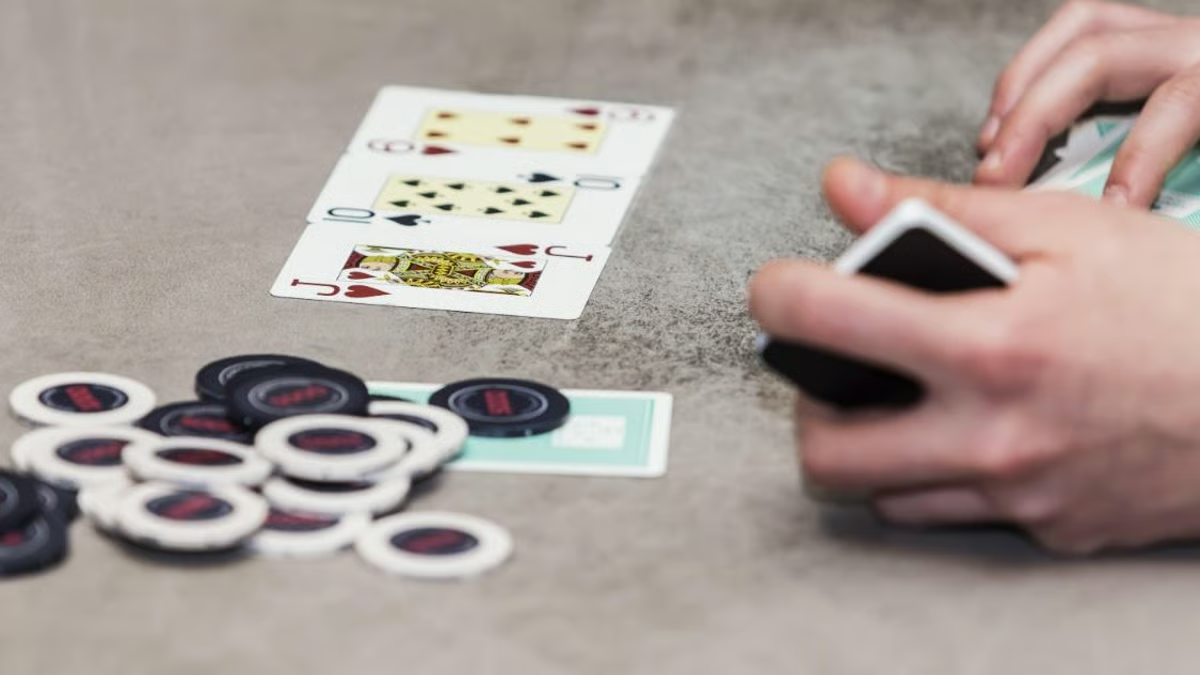

If you’re new to poker, the temptation to bluff can be strong. Winning a pot without the best hand feels thrilling, but bluffing too often—or without a clear plan—can quickly backfire. Experienced opponents will spot patterns, pick up on tells, and exploit them. To make bluffing a profitable part of your game, it must be timed, consistent with your betting story, and used sparingly. Below are a few practical tips to help turn a well-timed bluff into real winnings.
Choosing the Right Moment
Timing determines whether a bluff works or backfires. The best bluffs are situational, based on reading opponents and board texture rather than forcing the play. You should never sit down planning to bluff; instead, watch how the action develops and decide whether the circumstances increase your fold equity.
Situations Where a Bluff Is More Likely to Succeed
- Acting Last – When you’re in late position and everyone has checked, the lack of aggression often signals weak or marginal hands. This is one of the safest and most profitable times to apply pressure with a bluff.
- Versus Small Stacks – Players with fewer chips can sometimes be pushed off hands early in the betting. However, be cautious: short stacks can also shove all-in, making this a higher-risk bluffing spot.
Leverage Your Table Image
Your reputation at the table shapes every decision your opponents make against you. In poker, image is currency: it dictates whether your bets inspire fear or invite calls. Players who avoid unnecessary risks quickly build a “tight” image. When they finally commit chips aggressively, their moves are often respected and rarely challenged.
On the other hand, a “loose” image is created by splashing around with frequent bets and calls. While this style invites opponents to test your bluffs, it also sets the trap—when you eventually pick up a premium hand, they’re more likely to pay you off.
Evaluating the Strength Behind the Bluff
Bluffing without a single path to victory can sometimes work, but the strongest players understand the value of the semi-bluff. This move combines aggression with potential. When you hold a drawing hand—such as being one card short of a flush or straight—you’re not only representing strength to your opponents, but also giving yourself additional ways to win.
If your opponent folds, you take the pot uncontested. If they call and the right card lands on the Turn or River, you can still claim victory with a legitimate hand. In this way, semi-bluffing turns a risky play into a strategic weapon, ensuring you have both immediate and future equity in the pot.