

Poker is a game built on skill, yet its rules are simple enough to grasp quickly. Once you understand the basics, you can sit down at an online table, a casino, or even a kitchen game with friends and start winning pots within minutes.
Learning the fundamentals is straightforward, but true mastery is another matter. The old saying that it takes a lifetime to master poker may be exaggerated today, thanks to the wealth of tools, resources, and opportunities available to modern players. With dozens of online poker sites, live poker rooms around the world, and advanced training materials, players can now accelerate their growth far more efficiently.
Still, the leap from casual player to professional competitor is significant. You might have watched late-night broadcasts of high-stakes action or iconic movie scenes of glamorous chip-stacking victories, but what does it really take to perform at that level and make a living at the game?
Online poker has opened more doors than ever, with constant access to games and weekly tournaments boasting substantial prize pools. For those serious about progressing, the path is clear—if you approach it with structure and discipline.
Here is Gambling.com’s 12-Step Roadmap to Becoming a Professional Poker Player—a guide designed to sharpen your skills and elevate your game closer to that of the pros.
Master the Rules
It goes without saying that if you want to play poker professionally, you will need to know the rules of the types of poker you wish to play. There are several variations, all of which will have nuances that may or may not suit your style of play. The most popular and widely played variant is Texas Hold’em Poker and is the game that you have most likely seen being played on TV.
While the basic rules of poker are more or less the same for most variants of poker, each has rules that are specific to it and it’s a good idea to understand the differences between each before you play. Hand rankings, blinds and positional play are all important and should be fully understood.
Like all forms of gambling, terminology and etiquette can be key elements of your knowledge base to ensure comfort around the tables, allowing for relaxed and informed decisions to be made, whether you’re playing online or physically holding the cards. There are also house rules, which may differ from venue to venue and there is no standard set of tournament rules that is universally used.
To be a pro poker player you always need to make yourself aware of the specific rules of the venue you are playing in, whether it is online or live.
Study, Understand, and Apply the Game
Knowledge is power. Professional poker players put in many hours studying the game, even after they reach a high level. The best players see poker as a continuous learning journey and never stop trying to improve their game.
The game also evolves over time and strategies that might have worked well 10 years ago might not be so successful today, so to become a true professional poker player you must continually adapt and learn new strategies to keep up with the game. Reading lots of poker books and participating in detailed hand discussions on poker forums is just one way to learn and maintain your competitiveness as a pro poker player.
Many pro poker players keep a close-knit group of poker friends around them to engage in healthy debate, discussion and post-game analysis of their play. In the last few years many poker training sites based around GTO (game theory optimal) methods of playing have opened up, which is another essential weapon in the arsenal of any poker player who is serious about improving their game or playing poker professionally.
Gambling.com covers a wealth of helpful hints and strategies but there is no better method than to play hands and hone your craft. Experiencing bad beats, trying out different methods of aggression and passive play and finding what works for you in all situations is key.
Begin Your Journey
You’ve studied the game and filled the gaps in your knowledge—now it’s time to put that learning into action. The only real way to improve is by playing. The most accessible path today is to join one of the leading online poker sites and dive in.
Start at free tables, low-stakes games, or freeroll tournaments with large player fields. These settings let you experience the full range of poker’s ups and downs without risking much. Building confidence at the tables is essential, as it prepares you to move up the ranks, face stronger opponents, and handle higher-pressure situations. Begin with small steps, but keep your sights set on bigger goals.
Choose the Right Games
Texas Hold’em may be the “Cadillac of Poker,” but it isn’t the only game worth your attention. You might find your skills better suited to Pot-Limit Omaha (PLO), Omaha Hi-Lo, Stud, or Draw Poker. Experiment with different formats to discover where you feel most comfortable—and where you can gain an edge.
Because Texas Hold’em is so popular, the overall player pool tends to be stronger. At smaller stakes in other variants, however, the level of competition is often lower, creating opportunities to specialize and dominate a niche.
Game selection also extends to choosing the right tables. While many online platforms seat players automatically, professionals know the value of observation before committing chips. Sitting at a table filled with experienced pros may not be the most profitable choice, whereas a table of casual players—especially in live settings where conversation and atmosphere matter—often presents more opportunities.
Every table has its own dynamics. The ability to recognize and select the right environment is a defining skill for both successful professionals and winning recreational players.
Play the Right Hands
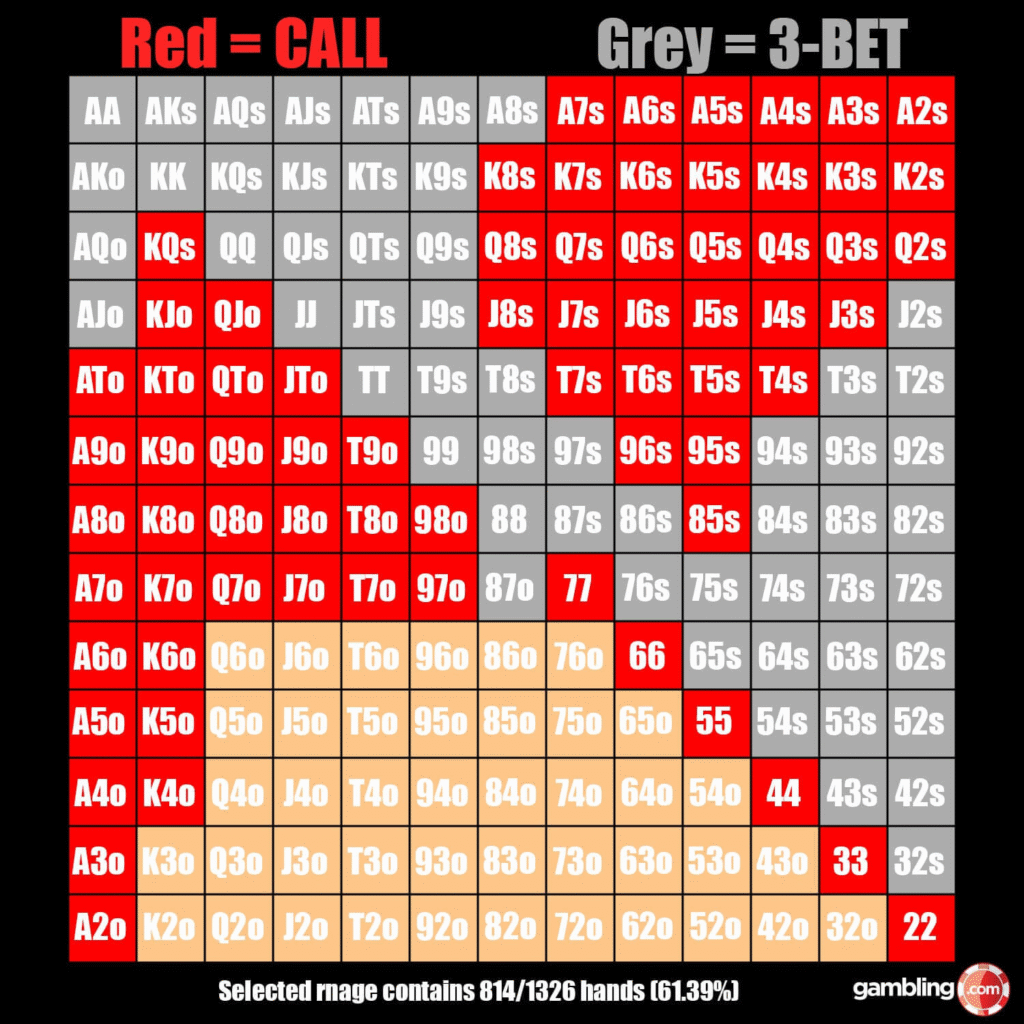
Position is the most important factor in deciding which hands to play. The right hand in the wrong position can quickly become unprofitable.
Study starting-hand charts and focus on ranges that show a positive expected value (+EV) from each position—whether you’re under the gun, in the blinds, or on the button. Discipline in hand selection is what separates professionals from amateurs.
It may sound straightforward, but folding weak hands and resisting the urge to play marginal ones—especially those your opponents hope you’ll misplay—is a core skill of every winning player.
Master the Art of Bluffing
Betting when strong and folding when weak is a sound foundation, but it won’t make you unpredictable. To play like a professional, you need a balanced range that keeps opponents guessing.
Bluffing is a critical tool—whether betting with a weak hand to force folds, or under-betting a strong hand to induce more action. When executed well, a bluff can push stronger opponents off their hands or manipulate them into betting when they shouldn’t.
But timing is everything. Many players overuse bluffs, while seasoned professionals often play it straightforwardly. Bluff too often, or in the wrong spot, and you’ll quickly be exposed.
Experienced players can spot an unconvincing bluff because the betting pattern doesn’t fit the story of the hand. Unlike in the movies, poker doesn’t reward theatrics—a poorly timed bluff can cost you your entire stack. To be effective, your bluffs must be rare, believable, and woven naturally into the way you play your strong hands.
Sharpen Your Focus
Poker is as much a test of mental endurance as it is of skill. Every decision depends on the information you collect, and that requires sharp concentration. Observation is just as important—you need to identify strengths, weaknesses, and subtle tells (or false tells) from your opponents, whether they are careless amateurs or seasoned players.
The smallest edge can tip the balance, but you only gain it if you’re alert. That means managing breaks, hydration, nutrition, and avoiding distractions. Professional players often step away from the table during long sessions to refocus and re-energize.
Never begin a session when you’re tired, especially online. Fatigue dulls your awareness, making you miss valuable information while giving away too much yourself. In online play, it can also lead to costly mistakes like falling asleep mid-tournament and waking up to find you’ve been blinded out.
Staying mentally sharp is a discipline. Treat it as seriously as the technical side of your game.
Master Your Bankroll
Your bankroll is your lifeline in poker—without it, you can’t play. Proper management ensures you survive the inevitable swings of bad luck that every player faces.
The size of your bankroll should always guide the stakes you play in cash games and the buy-ins you choose for tournaments. Playing too high for your roll risks going broke, while disciplined selection keeps you in action long enough to capitalize on your edge.
High-stakes games will always be there, but only move up when your skills and bankroll are both ready to handle the pressure.
Build Consistency in Your Play
Consistency is vital for long-term growth as a poker player. To progress toward the professional level, you need steady play, regular study, and constant review of your hands. Each session is a chance to spot mistakes, plug leaks, and refine your decision-making.
Extended breaks can stall development, while consistent play keeps your instincts sharp. Learn to turn every bad call, poor bet, or unlucky beat into a lesson that strengthens your future game.
That said, too much volume can be just as damaging. Endless hours without rest lead to fatigue, poor decisions, and burnout. Balance is key—combine play with study, proper rest, and time away from the table. That way, you’ll get the most from the game both financially and personally.
Practice Responsible Play
Every time you play poker for money, you accept the risk of loss. Never put more on the line than you can afford, and make sure the game remains enjoyable rather than stressful. Discipline in this area is one of the defining traits of a true professional.
Most online poker sites now provide tools such as deposit limits, time-outs, and reality checks to help you stay in control. Use them. Free play tables and low-stakes games are also excellent ways to build experience without unnecessary financial pressure, ensuring you’re better prepared before stepping into higher-stakes action.
Control Your Emotions
If you find yourself stressed, distracted, or tilting after losing a big pot—whether from a failed bluff or a tough beat—it’s best to step away and reset before returning to the table. Don’t punish yourself for mistakes; even professionals encounter setbacks.
Losing is never enjoyable, but it’s part of the game. What matters is how you respond. Once you’ve calmed down and regained composure, you’ll be ready to make sound decisions again and apply the strategies you’ve worked hard to master.
Know When to Walk Away
Strong discipline and solid bankroll management help you recognize when it’s time to stop. Chasing losses is a common temptation, but professionals rely on their long-term edge rather than forcing results in a single session. If you’re not in the right frame of mind, the best move is to cash out and return another day.
Think of poker as one continuous game. A single session doesn’t define success, and losses don’t need to be recouped immediately. Focus on playing your best when you’re rested and clear-headed—that’s when you’ll maximize both performance and profit.